




Figma AI is a suite of native AI-powered design tools from the online design and collaboration platform Figma. It offers innovative features such as visual search, AI-enhanced asset search, and automatic text and image generation to help designers overcome creative barriers and improve productivity. These tools understand the semantics of design elements, quickly locate necessary resources, generate realistic text and images, streamline prototyping processes, and automatically rename layers, allowing designers to focus on more valuable creative and problem-solving work. Currently, Figma AI is in public beta testing, and all users can try it for free.
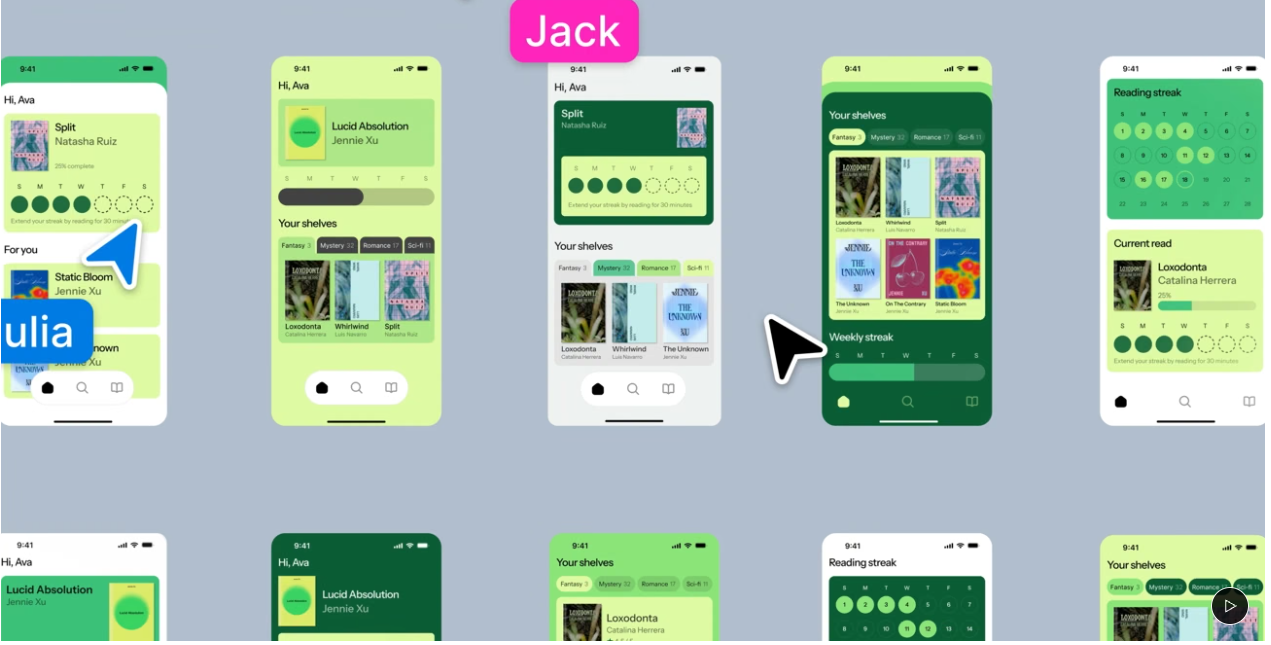
The main functions of Figma AI
- Figma Draw: Free Drawing and Illustration Creation
-
New drawing tools : Features a pressure-sensitive brush engine, supports devices such as Apple Pencil and Wacom, and intelligent stroke correction can automatically optimize lines for shaky hands.
-
Hybrid Creation Mode : Supports hybrid creation of vector and bitmap images, seamlessly integrated with existing components.
-
Enhanced tools : Added path text, pattern fill, brush, multi-vector editing, noise and texture addition, and lasso selection tool.
-
- Figma Sites: Generate and publish websites with one click
-
One-click publishing : Directly convert design drafts into accessible responsive websites, supporting code embedding and AI-powered automatic webpage optimization.
-
Content Management System : The upcoming CMS will allow users to edit articles and manage thumbnails, URL aliases, etc., within the blog design interface.
-
Advanced Interaction : Supports custom code interaction or complex animations via Figma Make hints.
-
- AI-Enhanced Intelligence : Design Assistant and Automation
-
Layout suggestions : Analyze design trends and automatically recommend layout schemes and color schemes, supporting brand color constraints.
-
Prototyping automation : Generate interactive prototypes through flowcharts to reduce repetitive work and predict the user journey.
-
Content Fill : Provides text suggestions and content fill functionality in the design canvas and FigJam whiteboard.
-
- Figma Make: From Prompts to Functional Prototypes
-
Natural language generation : Generate prototypes of full functionality using natural language prompts or existing designs, while maintaining design intent and accuracy.
-
Precise iteration : Allows users to make precise modifications by highlighting specific parts of the prototype.
-
- Figma Buzz: A Brand Equity Mass Production Engine
-
One-click template publishing : Copy the design canvas to Buzz, set a brand lock area, and ensure visual consistency.
-
Batch creation : Import table data to generate thousands of brand assets at once.
-
AI Acceleration : Built-in functions such as image generation, background removal, and text rewriting facilitate batch creation.
-
- Collaborative workflow upgrade : Supports real-time collaboration for up to 200 users, improved stability, and embedded version comparison and approval workflows. Supports hardware keys, enhances audit logs, and updates compliance certifications.
- Enhanced design system : Supports variable-driven dynamic components and cross-project asset sharing. In Dev Mode, code snippets are intelligently generated, and design tokens are automatically synchronized.
- Visual Search : By uploading images, selecting canvas areas, or entering text queries, Figma can instantly display visually similar designs in team files, allowing users to directly insert the most relevant frameworks into their work files.
- AI-enhanced asset search : Figma uses artificial intelligence to understand the semantic meaning and context of search queries, returning the most relevant components and assets even if the search terms do not exactly match the component names.
- AI-driven text tools : simplify the copywriting iteration process and help designers quickly find suitable wording.
- Content generation tools : Quickly populate designs with relevant and realistic content, making prototypes more engaging and effectively conveying the design vision.
- Background Removal : Allows users to remove the background of an image without leaving the canvas, quickly isolating the subject and creating a striking visual effect.
- Rapid prototyping : By clicking “Create Prototype”, static models can be quickly transformed into interactive prototypes, simplifying the process of turning ideas into reality and gaining stakeholder support.
- Automatic layer renaming : A seemingly small feature that can save designers a lot of time on monotonous tasks and help keep files organized and development-ready.
- Generate designs from text prompts : Describe what you need, and Figma AI will provide initial drafts to help designers quickly record ideas and explore different design directions.
Applications of Figma AI
-
Rapid prototyping : Figma AI can quickly generate low-fidelity prototypes using natural language descriptions, accelerating requirements verification.
-
Interface element generation and layout design : Supports intelligent component generation and layout optimization. Designers can specify the style, size, color and other attributes of the components, and Figma AI will generate components that meet the requirements.
- Brand visual consistency : From brand logo to promotional materials, Figma AI helps designers maintain consistency in brand visual style.
-
Data visualization design assistance : Helps designers quickly create data visualization interfaces and improve user experience.
-
User testing and feedback analysis : After quickly generating interactive prototypes, the design team can promptly conduct user testing, collect feedback, and rapidly optimize using Figma AI’s iterative assistance features.
The pain points that Figma AI addresses
- Creative Barriers : By providing visual search and content generation tools, we help designers quickly find inspiration and materials, breaking through creative bottlenecks.
- Resource locating difficulties : AI-enhanced search capabilities make it easier to locate specific designs or components in large organizations and complex design systems.
- Repetitive tasks : Automatic layer renaming and content generation tools reduce repetitive work for designers when iterating and filling in designs.
- Slow prototyping : Rapid prototyping capabilities speed up the transition from design to interactive prototypes and improve the efficiency of design iterations.
- Team collaboration challenge : By sharing and accessing resources within the Figma community, designers are able to explore and leverage the power of the community more broadly.
相关导航




ai-navhub:The official website of the AI Toolset includes hundreds of AI tools from both domestic and international sources, as well as commonly used websites, frameworks, and models for AI learning and development, helping you join the wave of artificial intelligence and complete tasks efficiently and automatically!